The Money Making Game #2: The PlayStation Phone

We certainly have no problem getting caught up in the fun of playing games, but the people who create them have their pocketbooks to worry about, too. In this column, finance expert and GameSpy contributor Chris Morris guides you through the tricky corridors the gaming industry’s financial side, touching on big-time business decisions and how they matter to the common gamer.

While the Internet has been buzzing about leaked images and details of what seems to be a prototype PlayStation Phone from Sony Ericsson, the debate has generally circled around whether the leaks were real or faked. The question no one seems to be asking is: Is this a good idea in the first place?

Just for the sake of argument, let’s assume Sony is, in fact, working on a PlayStation Phone. The company, after all, hasn’t done much to quell the rumors, with CFO Masato Kato stirring the embers during a quarterly results conference call earlier this month when he said “The PSP … was more concentrated I’d say [at the] core gaming segment rather than the light game, but now we are addressing that market as well.”
Read more at GameSpy.com

The Money Making Game #1: Nintendo’s $300 Handheld

We certainly have no problem getting caught up in the fun of playing games, but the people who create them have their pocketbooks to worry about, too. In this column, finance expert and GameSpy contributor Chris Morris guides you through the tricky corridors the gaming industry’s financial side, touching on big-time business decisions and how they matter to the common gamer.

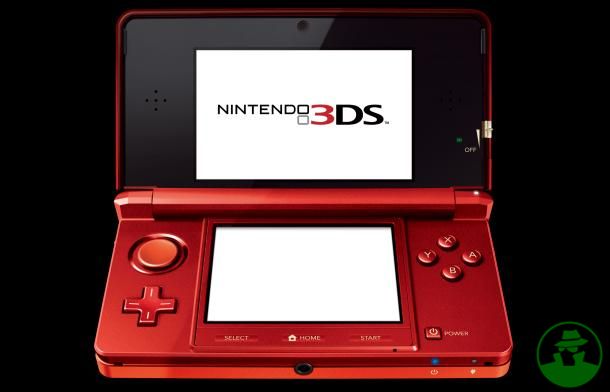
When Nintendo announced the price of the 3DS, jaws dropped. 25,000 Yen converts, as you undoubtedly know by now, to just under $300 — a figure the gaming world howled was too high. Many gamers initially assumed the system would carry the same price tag when it hit the states, and the outrage increased. Analysts and industry observers predicted (after currency conversion and other factors) that the U.S. launch price would likely be closer to $250, but this did little to mollify people.

What many people tend to ignore or forget, though, is that Nintendo made some enormous pricing mistakes with the Wii — leaving millions of dollars on the table. And with the 3DS, the company’s taking steps to ensure it doesn’t repeat those gaffes. $250 (or even $300, if the company decides to surprise everyone and roll the dice) is, admittedly, an extraordinarily high price for a handheld gaming device… particularly one that has a single function. And this pricing strategy could backfire and give Apple a window to increase its market share. But from a pure business standpoint, it’s a sure way for Nintendo to regain the confidence of its investors.

Read more at GameSpy