For  once, the rumors were right.
Electronic Arts is forgoing soldiers for the next installment of the Battlefield series, instead turning the game into a high-res version of cops and robbers.

For once, the rumors were right.
Electronic Arts is forgoing soldiers for the next installment of the Battlefield series, instead turning the game into a high-res version of cops and robbers.
When 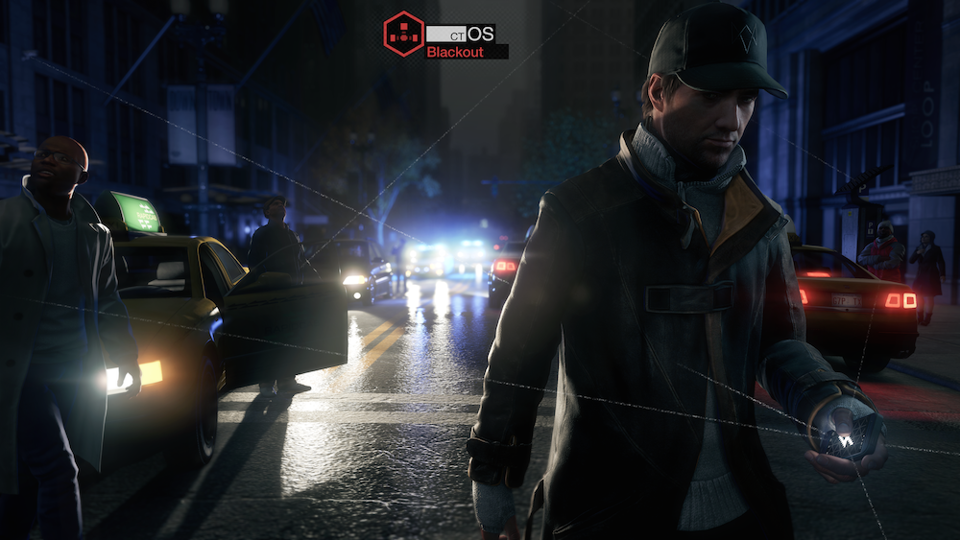 you’re making a video game about a cyber terrorist, you might want to be extra careful about how you promote it.
Police in Sydney sent the bomb squad to the offices of a major online outlet after the site received an anonymous black safe that began beeping when staffers tried to open it.
Find  yourself gaming more often than you used to? Don’t feel weird — we’re all doing it.
A new study by Nielsen reports that people aged 13 and higher spent 6.3 hours per week playing games in 2013, a 12 percent (or 42 minute) jump from the prio year’s 5.6 hours. Since 2011, players have added one hour and 12 minutes of play to their weekly schedule.
There’s  going to be a lot of deja vu at this year’s Code Conference, put on by our partners at Re/code.
Anyone who attended the groundbreaking D: All Things Digital conferences over the past 11 years will recognize the high-powered lineup of senior executives. And the conversations about the impact of technology on our daily lives might seem familiar. But looming over this inaugural event is the shadow of another recognizable tech world presence: A possible bubble in tech valuations.
The  world of virtual reality, essentially barren three years ago, is suddenly the Hot New Thing.
Samsung is reportedly working on its own VR headset, which would compete against the Oculus Rift and Sony’s “Project Morpheus.” Even crazier? It could ship sometime this year.
In  most games, wars are disposable. Whether you’re fighting alien invaders, evil terrorists or generic bad guys with indistinguishable accents, the experience rarely makes you consider the realities of real-world conflicts.
Mitch Swenson wants to change that.
One  of the video game industry’s highest profile publishers is accusing Oculus of stealing its intellectual property to create the Rift virtual reality headset.
ZeniMax Media filed suit Wednesday in U.S. District Court in Dallas, saying Oculus and founder Palmer Luckey “commercially exploited” ZeniMax computer code and trade secrets for their own gain. And it was that software that led to the $2 billion purchase of Oculus by Facebook in March.
The 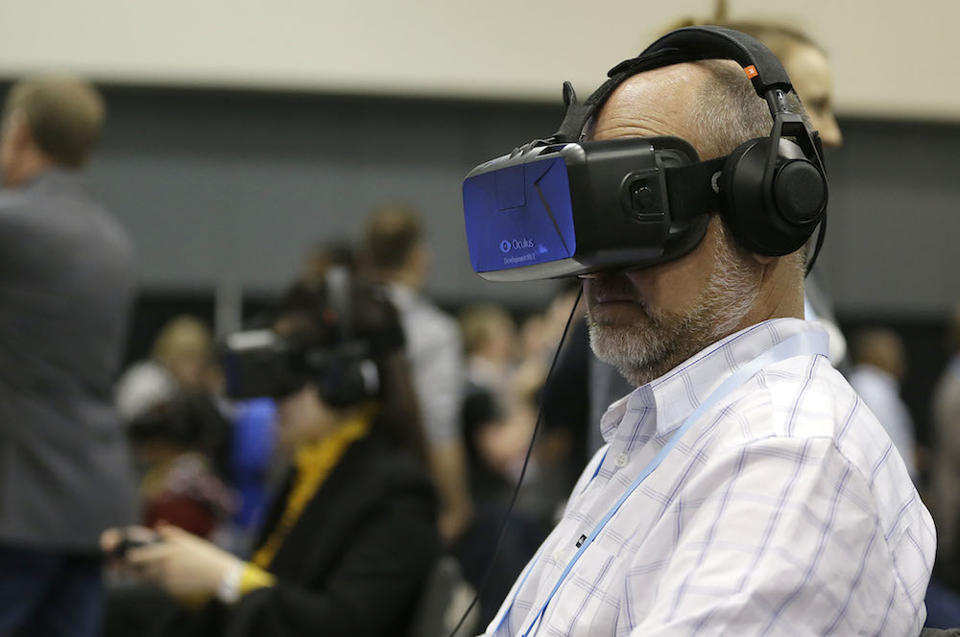 battle over VR is getting ugly.
After making legal threats earlier this month, ZeniMax Media — the parent company of game publisher Bethesda — has filed suit against Oculus, saying the maker of the anticipated virtual reality Rift headset illegally used software developed by the game maker to create the device.
Microsoft  is about to tackle one of the biggest problems with the Xbox One.
A June system update to Microsoft’s new console will enable support of external storage devices, alleviating fears that owners will have to delete games when the system’s somewhat paltry 500 GB hard drive fills up.
You  expect certain things when you fire up a game of Wolfenstein. You know you’ll take down Nazis. You figure you’ll do this as roughneck series star BJ Blazkowicz. And you’re pretty sure there will be all sorts of over-the-top carnage along the way.
What you might not expect is a great story.
 Chris Morris: Journalist