Not  too long ago, the chief requirement to become a porn superstar was to have sex on camera, and do so in an enticing fashion to win over fans.
Today, the rules have changed.

Not too long ago, the chief requirement to become a porn superstar was to have sex on camera, and do so in an enticing fashion to win over fans.
Today, the rules have changed.
The  U.S. porn industry is a $14 billion business, and the U.S. gun industry is a $38 billion business, both roughly speaking.
And sometimes, the two meet in spectacular fashion.
While 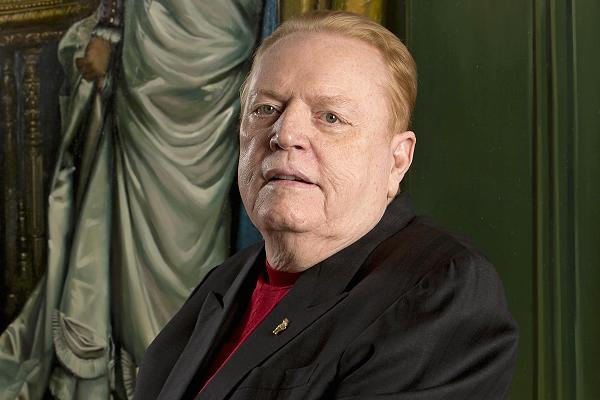 red hot stars in the porn industry come and go, the behind-the-scenes power players tend to lead more stable professional lives. But as the industry has changed in recent years, some of the most powerful people in adult entertainment have started to transition, as well.
Some of the names below may be familiar, but odds are you won’t know them all. These are the people who generally prefer to keep a low profile, focusing instead on the bottom line.
CNBC.com spoke with a variety industry insiders, ranging from executives to stars, to get their thoughts on who the true power brokers in the world of porn are today.
The  porn industry got in a lot of fights in 2014, and from the look of things, 2015 is going to be a brawler of a year as well.
Piracy and condoms continue to be the porn business’ chief battlegrounds. While the push for a controversial bill that would have criminalized the production of porn without condoms anywhere in California died in committee last year, a circuit court upheld an existing, similar law in Los Angeles County (where 60 to 70 percent of U.S. porn films are shot).
Every  year, there’s a flood of new actresses who enter the porn world.
Most wash out quickly, but those who quickly amass a fan base can find some longevity. Those fans are the key to success, as studios look for sure bets and tend to invest more in films starring those actresses.
The  multiyear losing streak by the video game industry finally came to an end in 2014, though any celebrations may be muted.
Total sales of video game hardware and software came in at $13.1 billion in the U.S., a one percent increase over the 2013 totals,according to The NPD Group. That’s a small bump, but it’s the first time the industry has seen an overall sales increase since 2008.
Beer,  wine and liquor aren’t the sort of thing that generally need a high-tech boost. You pour a glass. You drink it. You’re happy. Right?
But in an era where technology touches pretty much everything, several companies have come up with an array of gadgets, apps and gizmos to facilitate and improve the flow of alcohol for everyone from home brewers to wine snobs. Here are a few of the most intriguing on the market (or coming to it very soon).
To  the surprise of absolutely no one, “Call of Duty: Advanced Warfare” was the best-selling game in November.
The title, which is the crown jewel of the Activision Blizzard’s portfolio, represented one-quarter of the industry’s software sales at brick-and-mortar retailers last month, according to The NPD Group, which normally would be cause for celebration.
But the sales numbers posted by “Advanced Warfare,” which has been a critical hit, were 23 percent lower year over year than those posted by last year’s “Call of Duty: Ghosts,” according to Edward Williams of BMO Capital Markets. And “Ghosts” was a game critics took to task.
Shoppers  at the Fresno, California, Wal-Mart this Black Friday could have been forgiven if they had a bit of trepidation while starting their holiday shopping.
Five days before the retail extravaganza, members of the Hells Angels motorcycle club began camping out at the store. The burly tattooed bikers, wearing their cuts, were an intimidating sight, and when sales began, they bought every bicycle in the store—more than 200—and promptly donated them to the Poverello House, a local nonprofit dedicated to helping the homeless and needy.
Ralph  Baer never meant to start a multibillion-dollar industry. He was just trying to get an idea out of his head and into the real world.
That idea, which went on to become the Magnavox Odyssey, served as a launching pad for game-makers, though—and virtually every developer and publisher today points to it as the moment the industry was born. Today, that industry is mourning the passing of Baer, who died at his New Hampshire home Saturday night at the age of 92.
 Chris Morris: Journalist