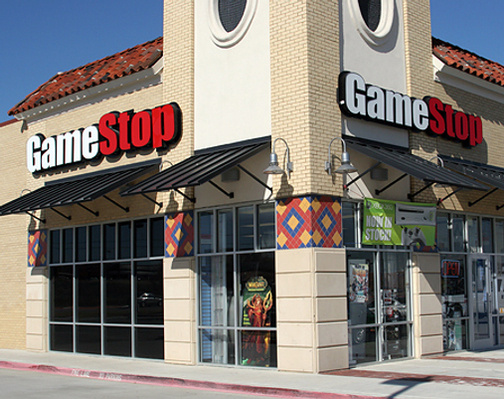
New Video Game Consoles Are Hurting GameStop

Were 30244698-121342114.240x160this any other transition period for the video game industry, GameStop stock would be soaring these days.

Instead, the stock has been largely flat — climbing less than one point year to date, noticeably underperforming the market’s seven percent gains — as well as other companies in the gaming space.

Read more at CNBC.com

GameStop positions itself to survive in a growing digital age

In gamestop longan industry where sales are increasingly going digital, GameStop is at a crossroads.

Traditional brick and mortar isn’t going away anytime soon – and used game sales are still a viable force. But day one digital purchase options are becoming more and more frequent on consoles and DLC is one of the fastest growing segments in the industry.

To adapt, the retailer has been in the process of pivoting for a while now. And Brad Schliesser, director of digital content for GameStop, says the efforts are paying off.

Read more at Gamasutra

Wall Street eyes GameStop as a takeover candidate

There’s been plenty of new chatter indicating that leading video game retailer GameStop is a prime buyout target. How likely is that scenario, and if it happened, what would it mean for publishers?

Video game consumers have something of a love-hate relationship with GameStop. So do publishers.

For that matter, so do investors. And over the past couple of days, Wall Street insiders (and the financial blogosphere) have been whispering furiously about the possibility that GameStop could find itself on the receiving end of a buyout offer at some point in the future.

Read more at Gamasutra

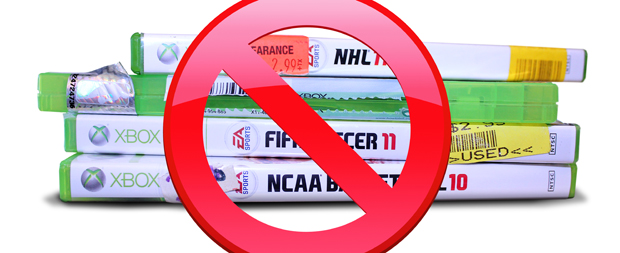
I Feel Used: Used-games vs. Next-gen

You probably saw all the headlines that hit the internet in late January: “Next Xbox to prevent you from playing used games!”

In terms of headlines, that’s a doozy. In terms of credibility, it’s unknown. But in terms of business strategy? It’s incredibly risky.

Read more at Official Xbox Magazine

Analysis: GameStop Keeps Up With The Times

Following GameStop’s mobile device announcements earlier this week, Gamasutra’s Chris Morris discusses the company’s plan to defend itself against the ongoing decline in retail game sales.

It’s no secret that game publishers have spent a lot of time focusing on the growing importance of the mobile space, but things have been a lot quieter on the retail front.

However, GameStop’s pair of announcements Monday sent a clear signal to both gamers and investors that the company was planning to defend itself against the ongoing decline in retail game sales and the changing nature of the gaming market.

Read more at Gamasutra

Tired of your iPad? Take it to GameStop

GameStop is joining the iOS revolution.

The country’s largest video game retailer — and the biggest seller of used games and game hardware — has now started accepting iPods, iPhones and iPads for trade-in for store credit, which can be redeemed for games, hardware, downloadable content and more. The company claims to offer ‘competitive’ trade values on the systems.

Read more at Yahoo! Games

GameStop ramps up its digital division

When it comes to digital game sales, GameStop is still an also ran – but the company is making a series of moves that are starting to raise eyebrows among industry observers, who say it seems on track to become a powerful force.

Valve’s Steam service is still far and away the category leader, but GameStop (in a meeting with analysts) said it expects to see digital sales jump from $500 million this year to $1.5 billion by 2014.

Read more at Variety’s Technotainment blog

Buy now? Or save later?

When Dead Space 2 hit store shelves on January 25, it cost roughly $60 — no matter where you bought it. By mid-February, you could find it on sale at some big online retailers like Amazon.com and BestBuy.com for anywhere between $40-$50. Meanwhile, more than three months after the release of Call of Duty: Black Ops, that game hadn’t gotten a penny cheaper. What gives?

The pricing of videogames might seem entirely random, but there is a logic to it. And understanding that logic can actually explain why we’re seeing so many games with “2” and “3” at the end of their titles these days.

Read more in the May issue of Official Xbox Magazine

The Money Making Game #7: GameStop Goes Digital

We certainly have no problem getting caught up in the fun of playing games, but the people who create them have their pocketbooks to worry about, too. In this column, finance expert and GameSpy contributor Chris Morris guides you through the tricky corridors the gaming industry’s financial side, touching on big-time business decisions and how they matter to the common gamer.
The king of the brick-and-mortar gaming world is finally embracing the digital. GameStop’s recent purchases of the Impulse digital distribution service and Spawn Labs streaming service won’t solve all of its problems, but it sets a course for the company as it prepares for the coming transition — and it gives investors some much needed clarity into GameStop management’s long-term thinking.

These days, GameStop sees annual digital revenues of $290 million from video games. As it expands, though, it expects those numbers to hit $1.5 billion by the end of 2014. “Our customers are beginning to consume games in a hybrid manner, both physical and digital, so we are becoming a hybrid company to meet their needs,” says Tony Bartel, president of GameStop. “Both of these programs are designed to sell more of the games we sell today.”

Read more at GameSpy