Analysis: 2011 – The Year Of Publisher Screwups

It’s only September, but 2011 already has no shortage of publisher screwups — Gamasutra editor-at-large Chris Morris chalks it up to “growing pains” of the new age of digital gaming.

When gaming historians look back at 2011 sometime down the road, there’s going to be plenty to examine.

What might fascinate them most, though, will have nothing to do with the sustained decline in brick and mortar retail sales or the growing strength of digital distribution. It won’t even be the emergence of privacy issues. Instead, 2011 may well be remembered as the year publishers kept screwing up.


Read more at Gamasutra

Ubisoft facing backlash over controvserial DRM plans

Regardless of how effective it might be at combating PC game piracy, Ubisoft’s DRM (digital rights management) program is quickly growing into a public relations disaster.

Just a few weeks after proclaiming it would require owners of its upcoming Driver: San Francisco to remain online as they played the game, the company has backtracked, bowing to a flood of protests and catcalls from gamers who view the piracy protection system as being intrusive.

Read more at Yahoo! Games

Despite backlash, Ubisoft calls its DRM a success

Ubisoft’s first attempts at battling piracy did not go smoothly – to say the least. But that’s not stopping the publisher from trying to use them again.

The company, in 2010, instituted a DRM (digital rights management) program that required players to remain online as they played a PC game. The concept was simple: Any interruption in service resulted in players being booted from the game, simultaneously erasing any progress since the last save. After getting feedback from a lot of angry fans (and weathering a denial of service attack that made games like Assassin’s Creed II and Silent Hunter V unplayable for days), the company put the strategy on ice last February.

Read more at Yahoo! Games

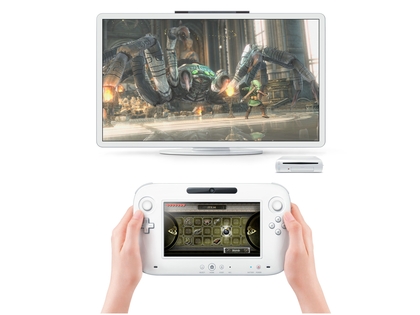
Interview: Ubisoft’s Guillemot Talks Early Adoption Of Wii U

Ubisoft’s chairman and CEO Yves Guillemot talks to Gamasutra editor-at-large Chris Morris about his company’s early adoption of the upcoming Nintendo Wii U, and about how the new transition means that Sony and Microsoft need “new machines soon.”

When it comes to early adoption, gamers don’t have anything on Yves Guillemot.

The chairman and CEO of Ubisoft has long taken the approach that as a new gaming system approaches, his company wants to be one of the flag bearers for the launch lineup. It did it with the Xbox 360. It did it with the 3DS. And it’s planning to do it once again when Nintendo’s Wii U hits store shelves next year.

Read more at Gamasutra.com

Ubisoft fights used sales with online pass system

Add Ubisoft to the list of publishers who are throwing up barriers for buyers of used games.

The French publisher has unveiled a new system dubbed the Uplay Passport that will include a one-time code with each game, giving players access to locked content — including online multiplayer. Buyers of used copies will have to shell out $9.99 to utilize those features.

Read more at Yahoo! Games

The Money Making Game #9: The Winners and Losers of E3 Expo 2011

We certainly have no problem getting caught up in the fun of playing games, but the people who create them have their pocketbooks to worry about, too. In this column, finance expert and GameSpy contributor Chris Morris guides you through the tricky corridors the gaming industry’s financial side, touching on big-time business decisions and how they matter to the common gamer.

At this point, we’ve all heard a lot of talk about who and what “won the show” at E3 Expo 2011 earlier this month. It is, in fact, one of the most common questions attendees ask each other. But in the big picture, it’s a question that’s a little shortsighted.

The video game industry is undergoing such a seismic shift these days (in terms of its fundamental business model), that focusing on a single company or title doesn’t give anyone an adequate look into the future. A hit game is nice, but long-term, publishers need to have a broader plan — and they need to have that on display.

Read more at GameSpy

Game review: Rayman 3D

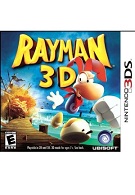
Rayman 2: The Great Escape is often cited as one of the best games of all time — and it hasn’t lost a lot of its luster. The game, now called Rayman 3D, is reinvigorated by the 3DS’s 3D effects, which do a good job of simulating a world with depth. But the 3D effects can sometimes make the game a bit more difficult — and many players may feel eyestrain after playing for an extended period (or even a short one). While the gameplay elements are still a lot of fun, UbiSoft did not take advantage of many of 3DS features, such as the gyroscope or touch screen functionality, which is a bit baffling. Still, this is a fine port of a very good game — and one of the better launch titles for the 3DS.

Read more at Common Sense Media

THQ heads north, grabs key Ubisoft talent

Add THQ to the publishers expanding their operations into Canada. The company behind WWE games and last year’s “Avatar” has announced plans to open a development studio in Montreal – and has grabbed one of the country’s top developers in the process.

Patrice Désilets, formerly creative director on the “Assassin’s Creed” franchise at Ubisosft, will join the company next summer. (He’s currently riding out a non-compete from Ubisoft.)

Read more at Variety’s Technotainment blog


Ubisoft’s Rabbids may be headed to a TV near you

Ubisoft’s Rabbids franchise has been fairly synonymous with the Wii since that console’s launch. Now the company is looking to take the bug-eyed bunnies further.

Ubisoft and Aardman, the company behind Wallace & Gromit, are working together to create a pilot and several shorts based on the franchise.

Read more at Variety’s Technotainment blog

Women’s Impact Report: Jade Raymond: From ‘Creed’ to control

Four years ago, Jade Raymond was a new employee at Ubisoft producing a new game the gaming world hadn’t heard of. That title — “Assassin’s Creed” — turned into the publisher’s biggest franchise. And her oversight of it resulted in Raymond being tapped to run the company’s new Toronto studio — a heavily financed unit that will be responsible for some of Ubisoft’s biggest titles in the years to come.

She initially turned down the promotion. Approached by the company as she was about to go on maternity leave, Raymond was still enjoying her job as executive producer of the “Assassin’s Creed” franchise. It meant supervising not just the game but brand-related projects including books, comics, a Web film series and more. And that work had resulted in worldwide sales of 9 million copies of the $60 game. She was doing similar work on other unannounced projects for the company in Montreal as well.

Read more at Daily Variety