Samsung, Panasonic, Sony team for 3D

A collective of the top television manufacturers have joined forces to make 3D TV more attractive to consumers.
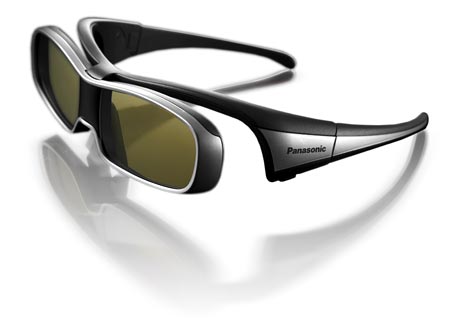
Panasonic, Samsung and Sony have announced plans to collaborate with XpanD 3D to develop a new technology standard for active 3D glasses. The partnership, called the Full HD 3D Glasses Initiative, aims to eliminate the specialized glasses required for each manufacturer’s set.

Read more at Variety.com

EA CEO pooh-poohs 3D

There might be a lot of executives touting the benefits of 3D gaming these days, but don’t expect Electronic Arts’ John Riccitiello to join the pep squad anytime soon.

The CEO of the industry’s second largest publisher gave his take on the technology in a recent conference call with shareholders – and he was anything but bullish.

Read more at Yahoo! Games

Why gaming may be the key to 3D

It’s too early to call 3D TV a disappointment, but given the hype surrounding it and the accompanying marketing push, it certainly hasn’t lived up to expectations.

The price of the sets is partially to blame (and those wonky, dorktacular glasses aren’t doing the industry a lot of favors, either.) But what it really comes down to is a lack of content — and that’s where television manufacturers are counting on video games to come to the rescue.

Read more at Yahoo! Games

3D gaming gets its closeup

Between the Nintendo 3DS, Nvidia’s efforts to push 3D on the PC and Sony’s recently announced PlayStation 3-branded 3D display, stereoscopic 3D video- games are finally stepping into the spotlight.

But even as more and more games utilize the technology, there’s a debate among game- makers on how much of a draw it will be for consumers.

Read more at Daily Variety

Sony announces PlayStation Vita

The NGP has a real name at last.

Sony, at its pre-E3 press conference Monday, announced that the next generation handheld system, which was previously codenamed NGP, would be called PlayStation Vita – and would carry a price of just $249 for the Wifi version and $299 for the 3G-enabled version. The system will hit store shelves this holiday season.

Read more at Daily Variety

YouTube adds stereoscopic 3D offerings

While there are a handful of 3D videos on YouTube already, they’re anything but cutting edge.

The only 3D format the service supports is anaglyph – requiring the old-school red and blue glasses to see the effects. That’s hardly ideal for studios looking to promote upcoming films or publishers looking to showcase 3D video games. But that’s all about to change.

Read more at Variety’s Technotainment blog

Volfoni rolls out active/passive 3D glasses

3D TV may finally have gotten a universal standard – kind of.

French company Volfoni will showcase ActivEyes, a hybrid active/passive 3D solution at the upcoming National Association of Broadcasters show. The company, which unveiled the product at this year’s CES, says it can be used on any 3D screen.

Read more at Variety’s Technotainment blog

Toshiba vows glasses-free 3D TV within a year

Glasses-free 3D is something of the Holy Grail for television manfucturers – and Toshiba is making some pretty big claims about finding it.

The manufacturer announced at its Toshiba World conference in Rome that it plans to launch a glasses-free 3D set within the next 12 months. Toshiba officials didn’t offer a lot of details, but did say the sets will be 40-inches or bigger.

Read more at Variety’s Technotainment blog

Potshots over portables

For the past four years, Nintendo and Apple have been grappling for control of the mobile gaming market — but last month, the stakes got higher.

The 3DS, a handheld system that presents games in stereoscopic 3D without glasses, hit shelves March 27, representing one of Nintendo’s biggest bets in years. And early indications are it was a winning one.

Read more at Daily Variety

Review: Nintendo 3DS

Nintendo is one of the few, refreshing companies that constantly surprises you.

As Apple was mounting its assault on the portable gaming space, the Kyoto-based company threw gamers a curve, announcing plans for a new handheld system that would allow users to see images in stereoscopic 3D without the need for special glasses. It was a risky move, but it seems to be one that will pay off.

Read more at Variety’s Technotainment blog