Companies  don’t innovate. People do.
But in today’s business world, the people behind the innovation and groundbreaking ideas and inventions can be overshadowed by their creations.

Companies don’t innovate. People do.
But in today’s business world, the people behind the innovation and groundbreaking ideas and inventions can be overshadowed by their creations.
Were  this any other transition period for the video game industry, GameStop stock would be soaring these days.
Instead, the stock has been largely flat — climbing less than one point year to date, noticeably underperforming the market’s seven percent gains — as well as other companies in the gaming space.
Nintendo 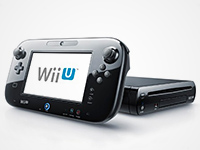 has a problem on its hands.
The Wii U, in its second full month of availability, sold a paltry 57,000 units in the U.S. according to data from The NPD Group. That’s substantially fewer than its predecessor and well under half the number analysts were expecting for the month. And it props opens the door — and perhaps issues a warning — for Sony and Microsoft, which are both expected to roll out new consoles this year.
The  iPhone has already had a sizable impact on the traditional portable video game industry, but two video game VIPs are cautioning that the company could have a much larger — and potentially devastating — impact on the home console market.
Valve Software co-founder Gabe Newell and Nat Brown, who was one of the first engineers on Microsoft’s Xbox project, have issued warnings about Apple’s potential threat. The alerts come amid analyst speculation that Apple may hold an Apple TV-related special event next month.
The  Halo franchise is one of the biggest in the videogame world, but when series creator Bungie Studios walked away from the series after 2010’s “Halo: Reach,” it left Microsoft with a problem.
The series, of course, would continue — but keeping the loyal community fanbase satisfied wouldn’t be easy — and neither would managing a property that had quickly grown into a transmedia giant.
Reports  this week that China was considering lifting its 13-year ban on video game consoles sent shares of companies like Sony and Nintendo soaring.
But as the euphoria wears off and the waiting period for the country’s government to take action (if, indeed, it plans to) sets in, analysts say the potential impact on major U.S. video game publishers will likely be minimal.
The  console war is about to get a lot more crowded.
While announcements of next-generation devices from Microsoft and Sony are bound to grab headlines this year, a wave of new machines from various corners of the games industry is threatening to shake up the traditional three-company battle over your living room.
The  videogame industry takes its franchises even more seriously than Hollywood.
New games — or at least digitally downloadable content — are expected every year by a voracious audience, with billions in grosses potentially at stake. One misstep can turn a popular game’s most ardent evangelists into its loudest critics.
It’s  easier than ever for gamers to get their fix, whether playing “Words With Friends” on a plane, “League of Legends” for free online or the latest “Call of Duty” on Xbox or PlayStation consoles.
Figuring out how to maximize revenue on these platforms is a lot more challenging. Last year, the overall videogame market declined again, despite blockbuster launches of “Call of Duty: Black Ops II” and “Halo 4,” surging digital sales and the arrival of Nintendo’s next-generation Wii console for the holidays. Microsoft and Sony are expected to follow suit with new consoles before the end of the year, potentially splintering the market further.
The 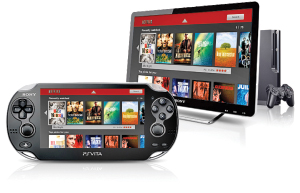 transition of videogame consoles into something more than just game machines started in 2000. Sony, in one of its most prescient moves, included a DVD player in the PlayStation 2 — at a time when the technology was still relatively new and expensive. And consumers couldn’t buy the system fast enough.
The speed of consoles’ evolution has increased dramatically in this generation, and the dawn (and explosion) of streaming media has been a large part of that. As Nintendo launches its next generation system — and Microsoft and Sony prepare for theirs, non-gaming elements are shaping up to be a critical part of the landscape.
 Chris Morris: Journalist