
Braveheart HD might have high aspirations to mimic some of the great “point and click” role-playing games on the market, but it’s ultimately a one-note game. Enemies charge blindly at you and you mow them down, moving around the screen from time to time to pick up experience, health, or cash. While the game boasts 10 different weapons, there’s very little discernible difference in how they’re used on screen. The interstitial cartoon panels between levels end up being the best part of the game — and that’s not something worth paying for.
Monthly Archives: December 2010
Game consoles increasingly serving non-gaming purposes
While the PlayStation 3, Xbox 360 and Wii are  still game machines first and foremost, they’re increasingly being used for other forms of entertainment.
A new survey by Nielsen finds that non-gaming functionality is on the rise among console owners – and among PS3 owners, it even surpasses the time spent playing games.
Does Kinect Make Microsoft A Better Investment?
With backings by Oprah Winfrey, Ellen 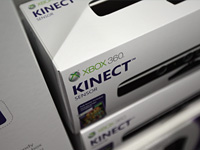 DeGeneres and just about every gift guide the media has written, Kinect for the Xbox 360 has become the “must have” gift of the 2010 holiday season.
The motion capture device has sold more than 2.5 million units since its Nov. 4 launch and Microsoft seems well on pace to meet its sales target of 5 million before the end of the calendar year. But do those sales mean it’s time to buy Microsoft shares?
Analysis: Are Spike TV’s VGAs Good For Gaming?
[Analyzing the weekend’s Spike TV Video Game Awards,  Gamasutra editor-at-large Chris Morris reveals this year’s dwindling ratings for the show — despite “minimal signs of improvement” in quality and diversity.]
It wouldn’t be the holidays if the gaming world wasn’t in an uproar about U.S. cable channel Spike TV’s Video Game Awards. For the eighth consecutive year, the network has raised the ire of industry gadflys and gamers, who feel the show does more to set back video games than celebrate them.
Ratings for the VGAs are never spectacular. This year’s installment, hosted by Neil Patrick Harris, attracted 627,000 viewers, according to Nielsen. That’s 20,000 fewer than last year and marks the fourth consecutive year of declines. Since 2007, ratings for the show have fallen 32 percent.
How did Spike’s VGAs do ratings-wise?
The annual Video Game Awards show in  Spike TV is always a divisive event in the gaming community. While publishers enjoy the publicity of a glitzy television extravaganza, gamers tend to grind their teeth in rage, upset with how the show presents the industry.
This year’s show – broadcast Saturday the 11th – boasted Neil Patrick Harris as host and some solid choices for winners. (“Red Dead Redemption” took Game of the Year honors.) But was it able to attract an audience?
EA to release another “Dead Space” animated movie
“Dead Space 2” is  going transmedia.
The upcoming game from EA – set for release Jan. 25 – will be accompanied by an animated film made in conjunction with Anchor Bay Entertainment. Dubbed “Dead Space Aftermath,” the direct-to-video release will feature work by several animation directors and features a voice cast that includes Christopher Judge (from “Stargate: SG-1” and Graham McTavish (who will be in the upcoming film “The Hobbit”).
Read more at Variety’s Technotainment blog
‘World of Warcraft’ expansion sales sizzle
The latest expansion to Activision  Blizzard’s “World of Warcraft” franchise has sold more copies in 24 hours than many games sell throughout the course of their lives.
More than 3.3 million people around the world bought “World of Warcraft: Cataclysm” in its first day of availability — making it the fastest-selling PC game of all time, according to the publisher.
The Money Making Game #3: Is OnLive the Next Big Thing?
We certainly have no problem getting caught up in the fun of playing games, but the people who create them have their pocketbooks to worry about, too. In this column, finance expert and GameSpy contributor Chris Morris 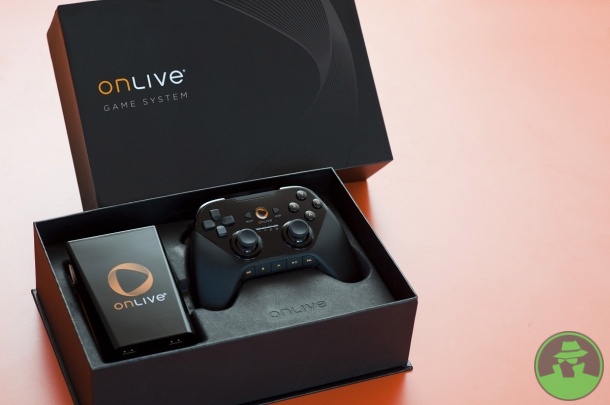 guides you through the tricky corridors the gaming industry’s financial side, touching on big-time business decisions and how they matter to the common gamer.
OnLive’s initial announcement of its self-titled, gaming-on-demand service prompted a lot of skepticism. With vaporware services like Phantom still fresh on the brain, gamers didn’t trust the company’s claims of immediate streaming and strong publisher support.
Even the inclusion of CEO Steve Perlman — who previously led development on the technology behind QuickTime and founded WebTV — didn’t do much to lower eyebrows about the project. Infinium Labs’ Phantom, you’ll recall, had Xbox co-founder Kevin Bachus running the show.
App review: Infinity Blade
There’s nothing particularly deep about the  gameplay of Infinity Blade, but the game is a lot of fun to play — and it’s nearly as fun to just look at. The graphics engine powering the app is an offshoot of the one used in Gears of War, making it one of the most advanced on Apple’s systems. Unfortunately, after you’ve played for a while the repetitive nature of the game becomes apparent. While you can choose different weapons and magic powers to battle opponents, you’re still using the same actions. That could prevent some people from finishing the game. That said, there’s something mesmerizing about the simplistic structure of the game that hooks you and fans of action games will likely find themselves playing regularly — even though they recognize the game’s faults. Infinity Blade, in some ways, is an action equivalent of classic quarter-gobbling arcade games. You’re repeating the same motions and actions a lot, but the game is still somehow entertaining enough that you may not mind.
App review: Game Party: In Motion
Family fun titles are the heart and soul 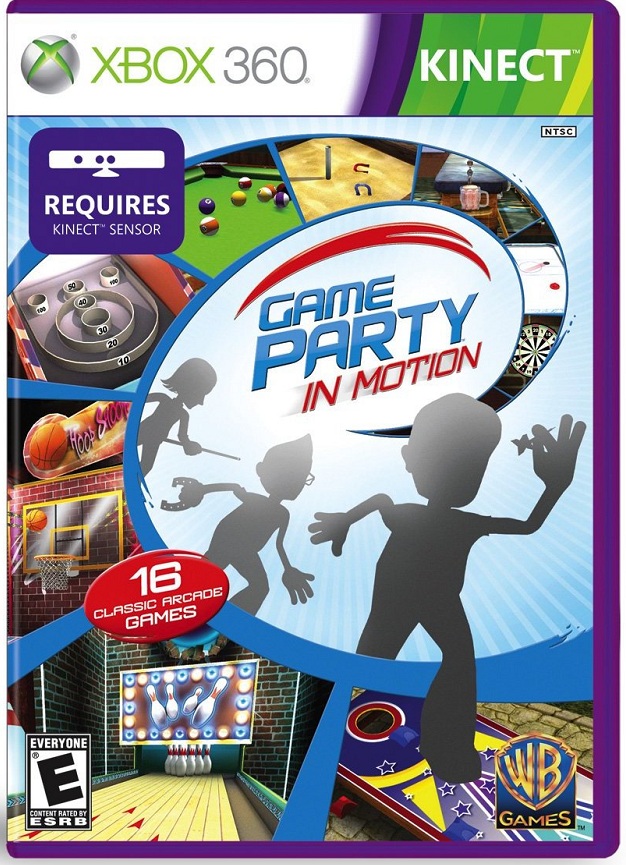 of Kinect’s early lineup. Game Party in Motion, on the surface, seems to have the right elements to fit in with this, gathering some arcade and boardwalk favorites — but once you start playing, you’ll realize exactly how lousy it is. It has some of the worst controls of any Kinect title, making it impossible to fully enjoy the games. And rather than consistantly relying on people’s natural movements (such as with billiards, where virtually everyone knows how to mimic a shot), it requires an elaborate series of motions that don’t make sense. The menus give you no sense of where your hand is on screen, which can make it hard to navigate. This is one Kinect title you’ll want to avoid.
Read more at Common Sense Media
 Chris Morris: Journalist